RobinhoodFinance

Bento Design System: Reducing Tech Debt with Standardization

As a Design Systems Designer at Robinhood, I led initiatives to streamline design processes and improve collaboration across teams. By developing standardized patterns, components, and documentation, we reduced design debt while increasing efficiency and consistency across the organization.

Services

  • Full-Time
  • Design Systems
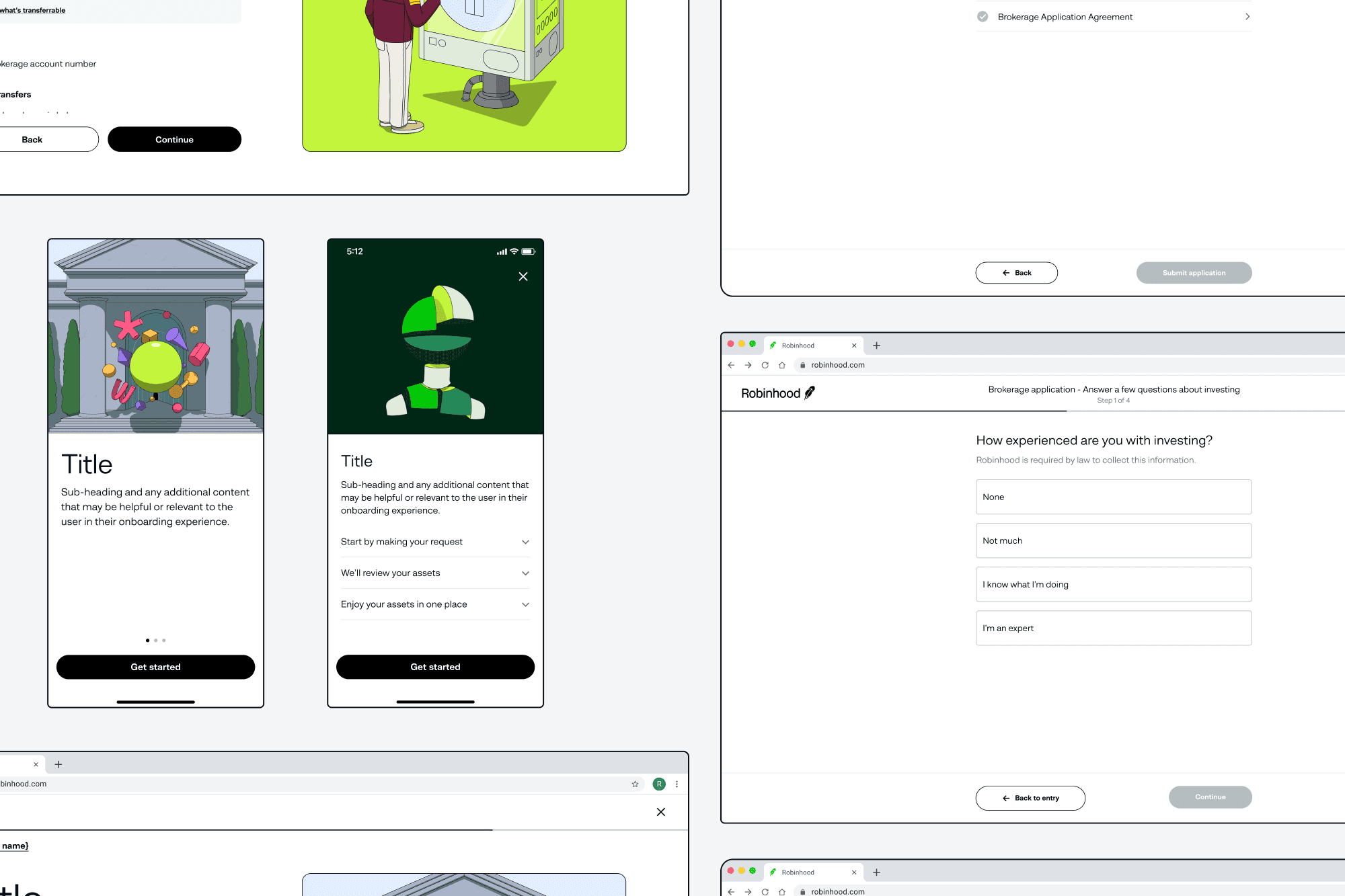
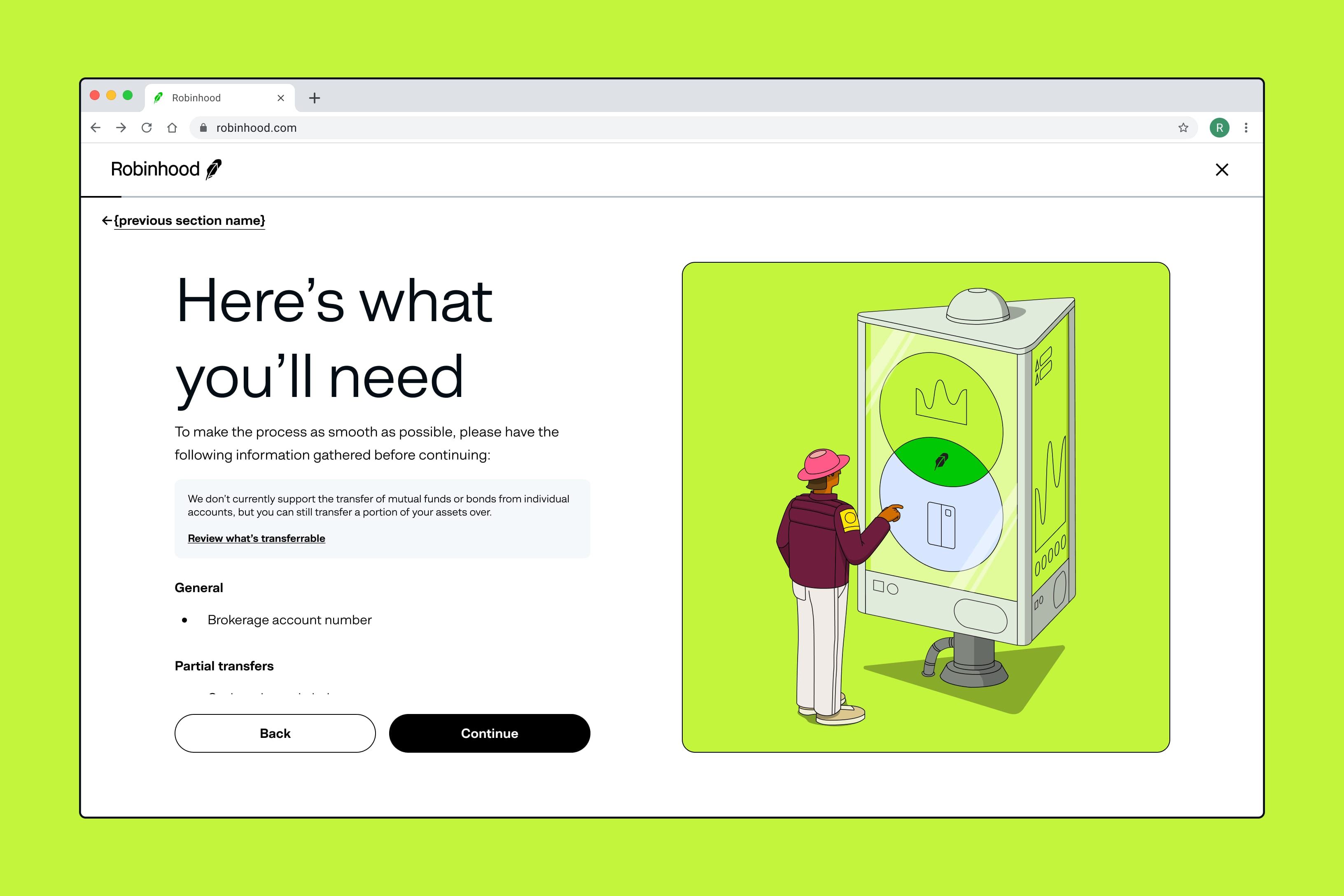
  • A Robinhood transfer screen built from the design system: a Here's what you'll need checklist beside an illustration of a person at a kiosk.
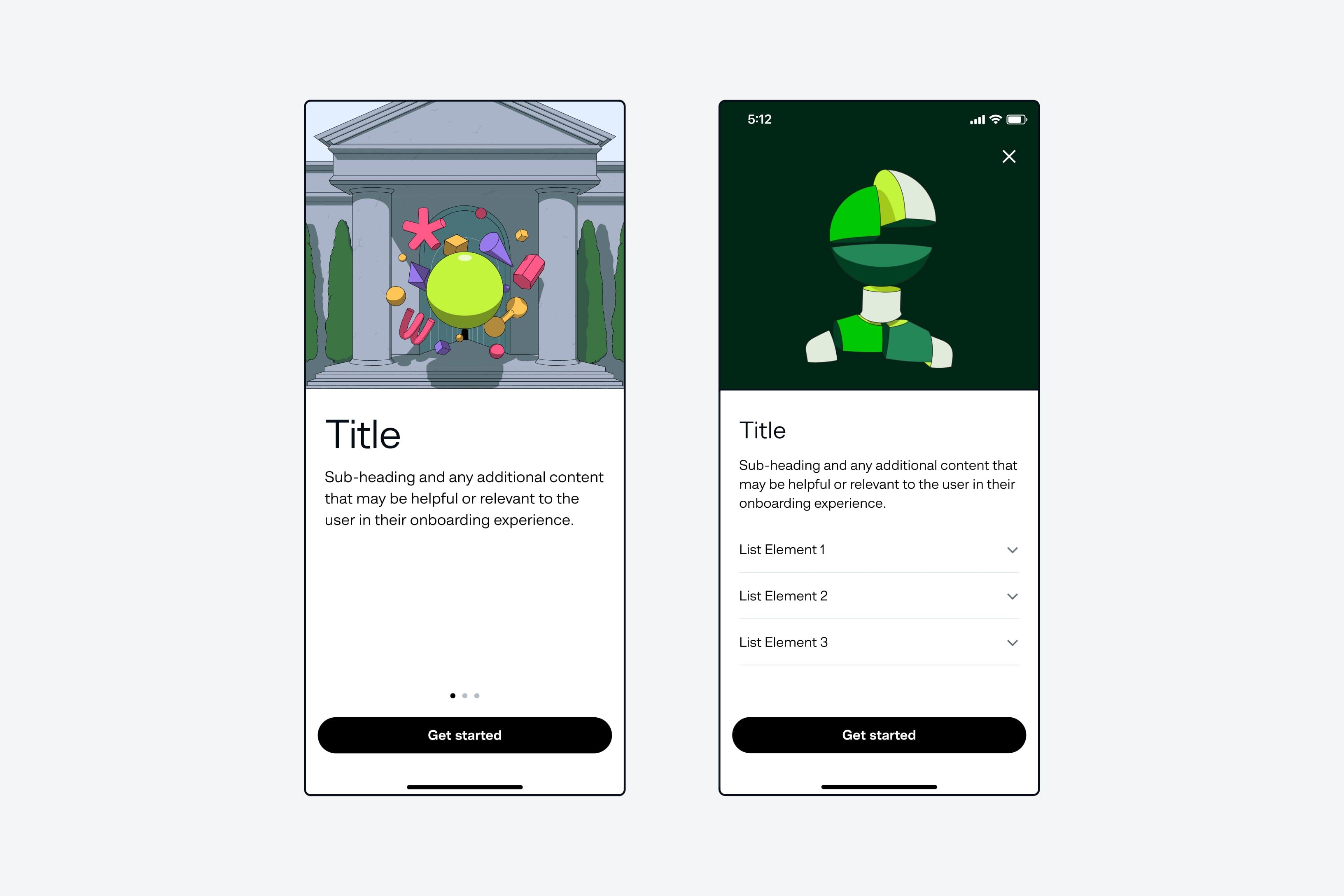
  • Two phone onboarding templates: an illustrated title screen with page dots and a Get started button, and a variant with an expandable list.
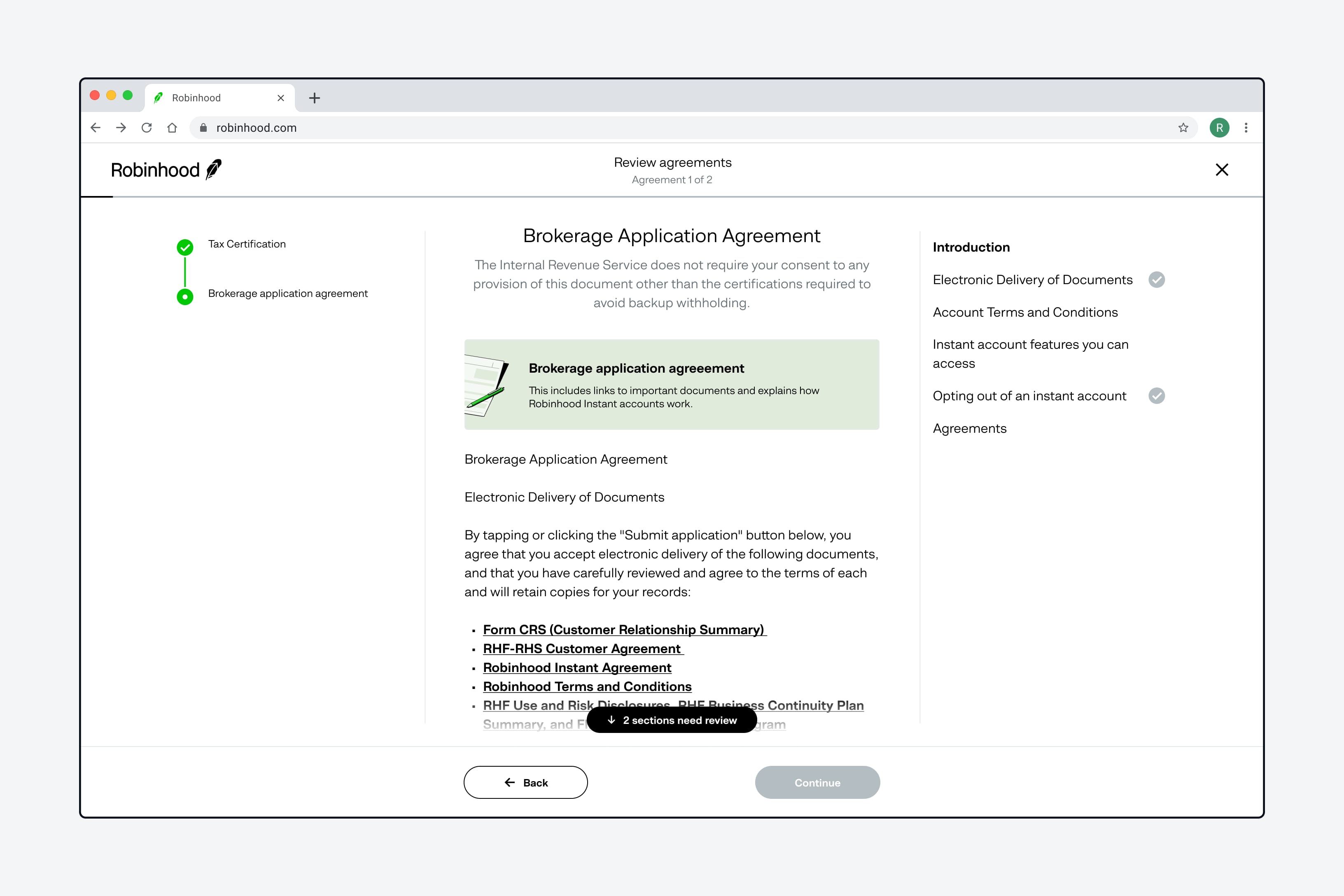
  • A Robinhood agreement review screen: a step list on the left, the Brokerage Application Agreement in the middle and a section index on the right.
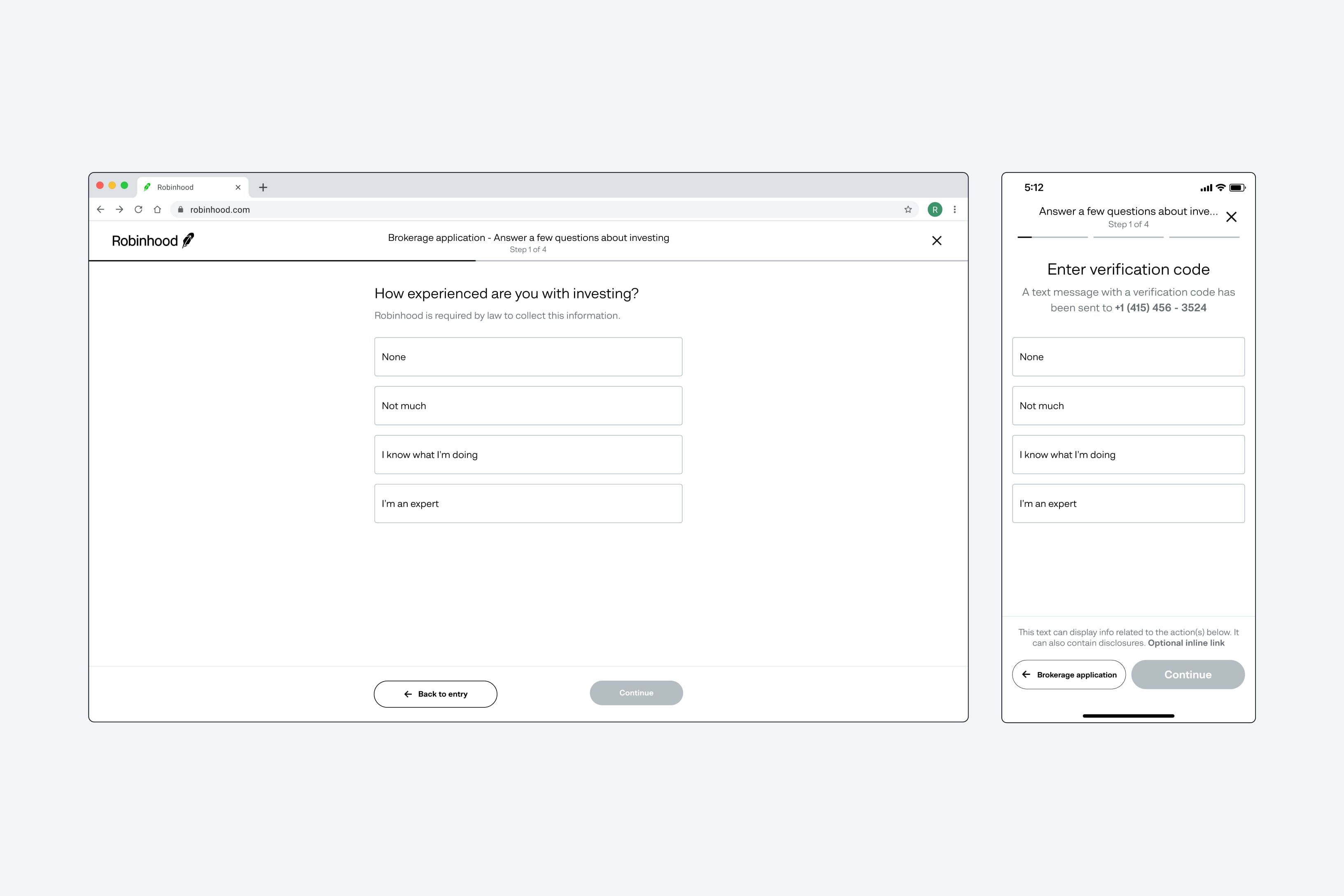
  • A brokerage application question, How experienced are you with investing?, laid out on desktop and on a phone with the same answer options.
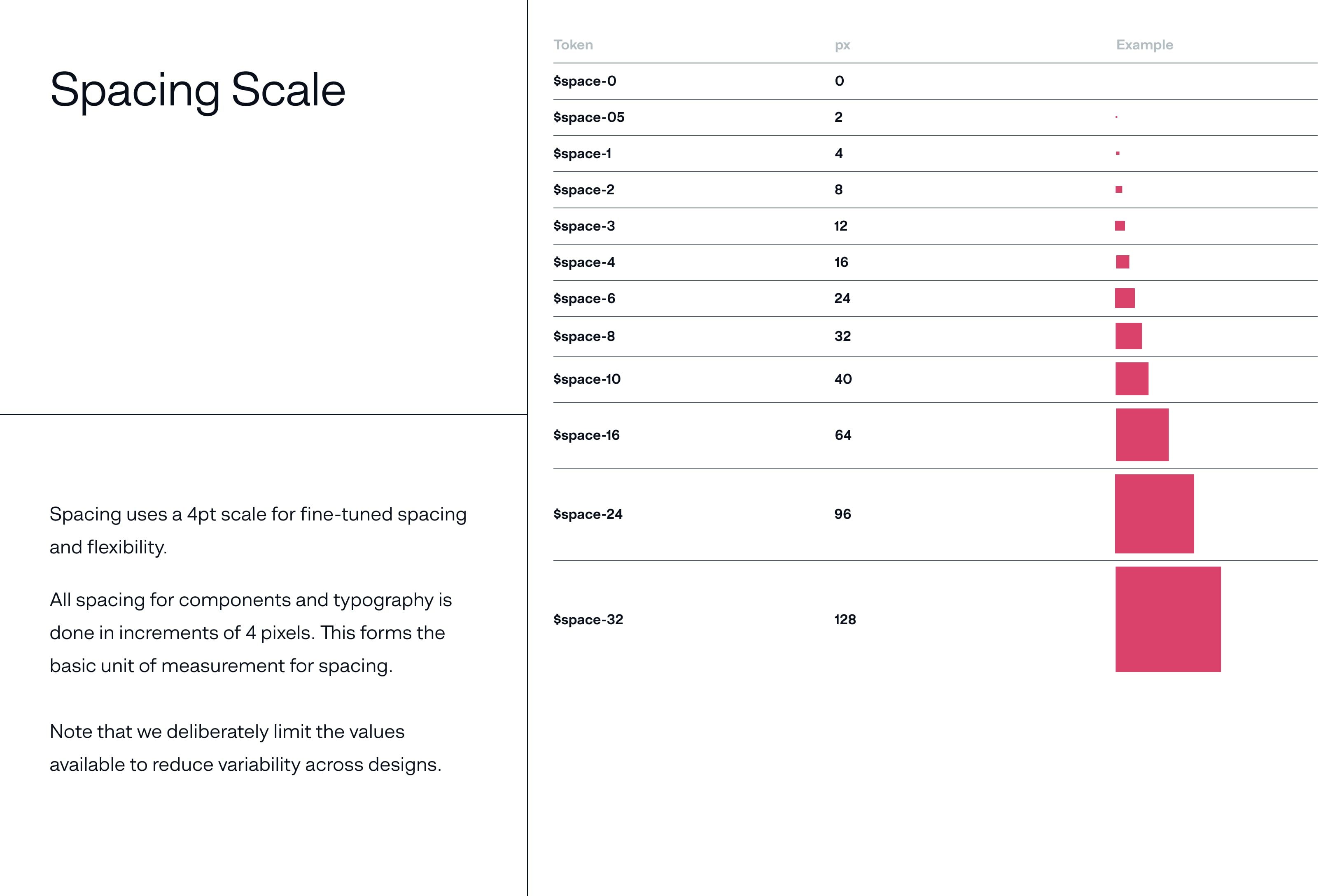
  • The design system's spacing scale: tokens from space-0 to space-32 on a 4-pixel grid, each with its pixel value and a swatch of that size.
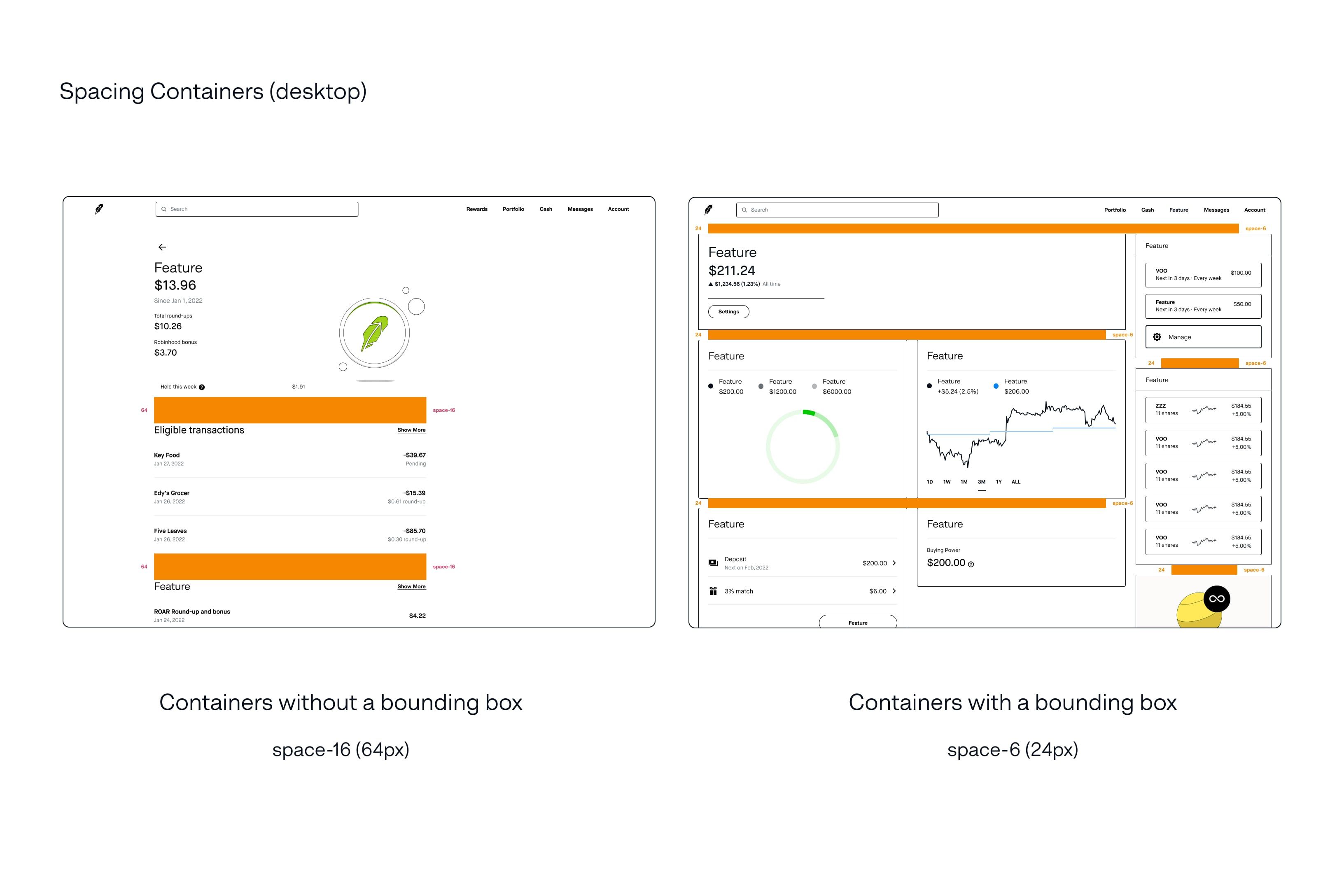
  • Spacing guidance for desktop containers: 64 pixels between containers without a bounding box and 24 pixels between containers with one, marked in orange.
  • A collage of standardized Robinhood templates: onboarding, checklist, agreement review and questionnaire screens on desktop and phone.

01 The Who

Robinhood is a financial technology company that has transformed the investment landscape by making trading accessible to everyday people. Their platform combines sophisticated trading capabilities with an approachable, user-friendly interface that helps demystify the world of finance for millions of users.

02 The What

As Robinhood grew, their design teams became increasingly siloed, leading to duplicate work and mounting design debt. Without a centralized source of truth, shared work quickly became outdated. Designers across teams were struggling to find and maintain consistent resources, impacting both efficiency and product quality.

03 The Why

Through internal surveys and feedback, it became clear that designers needed a better way to find and share resources across teams. The organization needed to create an environment where the creative team could efficiently create, share, and collaborate. This need became particularly urgent as product teams were shrinking, requiring more efficient ways to maintain quality and consistency.

04 The How

We approached this challenge through three strategic layers:

Mission-critical initiatives focused on immediate product impact, including developing standardized patterns for onboarding experiences and form interactions. Collaborating with designers across multiple teams, I created configurable templates that balanced the rigidity needed from developers with the flexibility needed for designers, leading to more efficient implementation and testing.

System maintenance involved establishing contribution and deprecation models while improving existing resources. A key achievement was developing a Figma plugin for responsive typography, which dramatically reduced design mockup time and improved accuracy across device sizes.

System scaling efforts centered on creating comprehensive documentation and fostering a collaborative community. We consolidated scattered resources into a single Coda project with an open-documentation model, making it easier for teams to find and contribute to shared resources.
05 The Results

The implemented solutions yielded significant improvements in both efficiency and collaboration:

The standardized onboarding patterns led to increased user engagement and higher completion rates, with teams reporting greater willingness to adopt the new, standardized templates. Form experience improvements resulted in a more accessible journey while requiring minimal engineering updates and less guess-work for the designers.

The responsive typography plugin dramatically reduced design mockup time and improved consistency across platforms. The consolidated documentation system and improved collaboration models helped break down silos between teams, leading to more efficient resource sharing and reduced duplicate work.

Most importantly, we established a foundation for sustainable design system growth, enabling teams to work more efficiently while maintaining consistency across Robinhood's expanding product portfolio.