How does an engagement work?+−
Every engagement moves through four phases. In Discovery, I talk with the people involved until we agree on one problem statement, and this phase is free. In Directions, I explore several ways to solve that problem through prototypes, diagrams and workshops. In Proof of Direction, we pick one direction and build a non-production version of it together. In Path to Scale, your team takes it into production while I help plan the roadmap and keep it on course.
What does it cost?+−
It's a fixed price tied to an outcome, not an hourly rate. After a first call I bring two or three options, each with its scope, timeline and price, so you can pick the one that fits your budget.
Do you write code?+−
Yes, but not your production code. I build working prototypes, component contracts and tooling in your stack. Depending on what we put together, your product, content, engineering, marketing or other teams review it against their own standards before your team ships it.
How do we get AI tools to follow our design system?+−
Write the system so an agent reads only what it needs. I split the rules into small files by topic, each rule with an ID, so the agent doesn't load one long design.md in full and then ignore most of it. Automated checks then fail the build when output drifts.
Why you instead of our own team or a new hire?+−
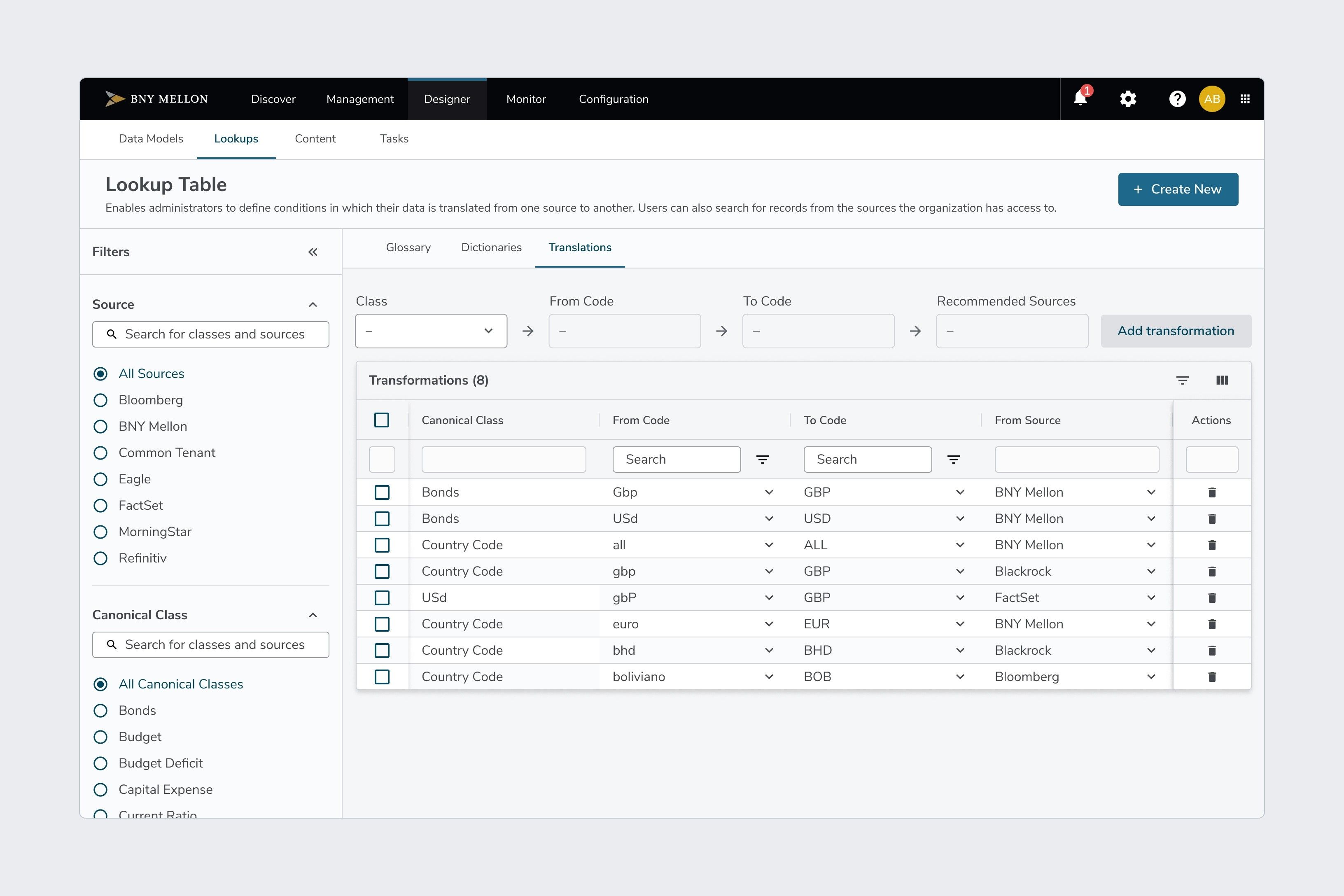
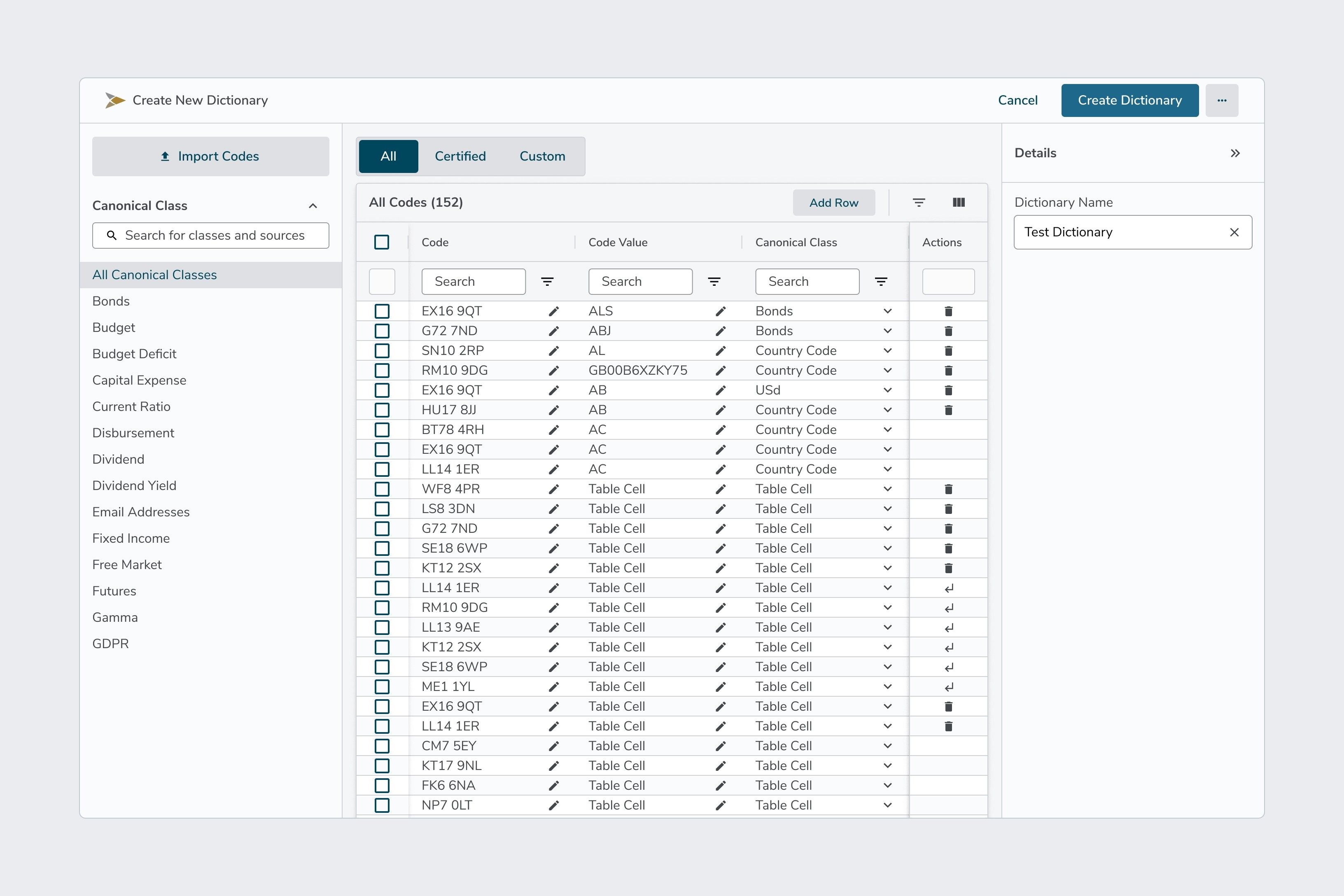
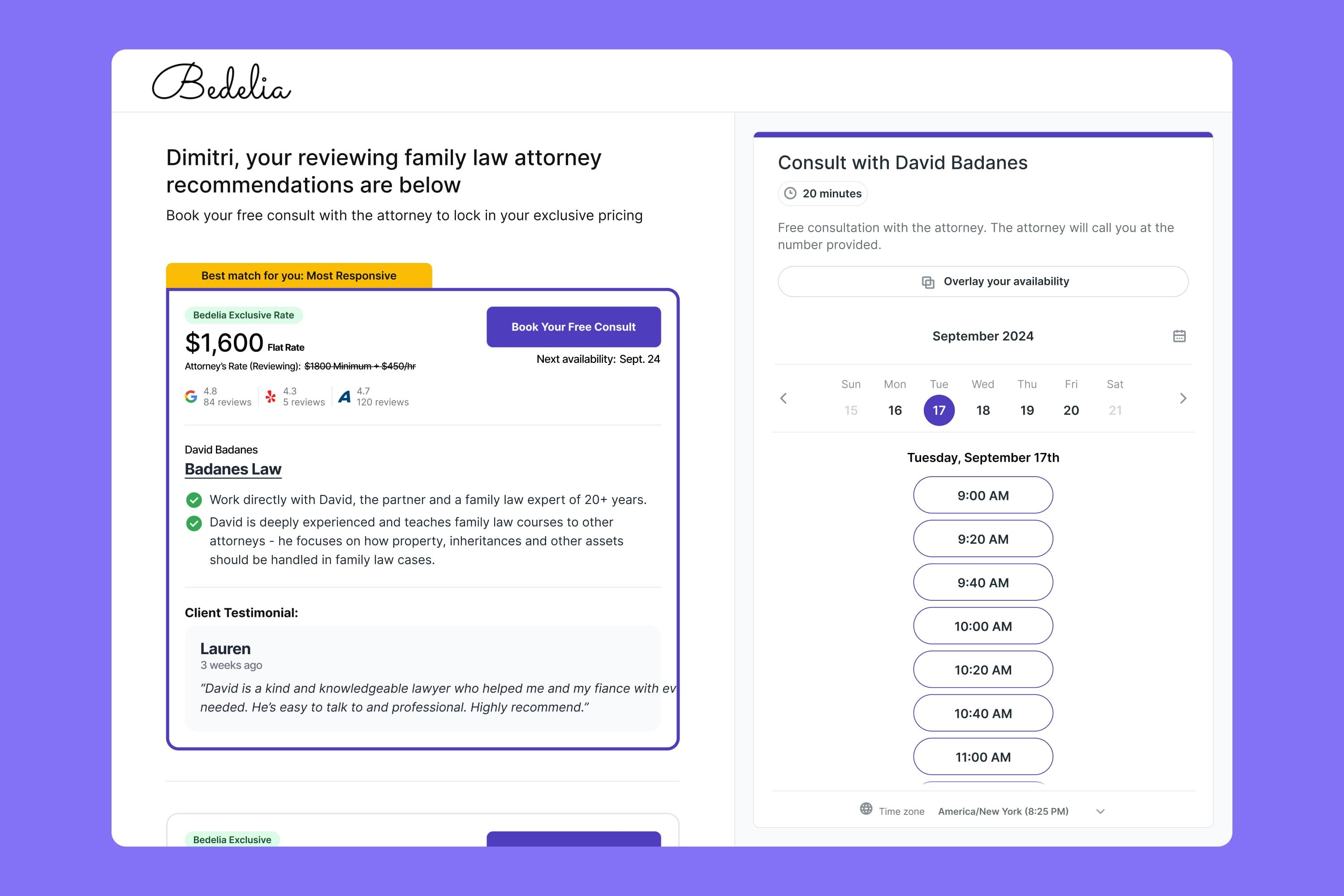
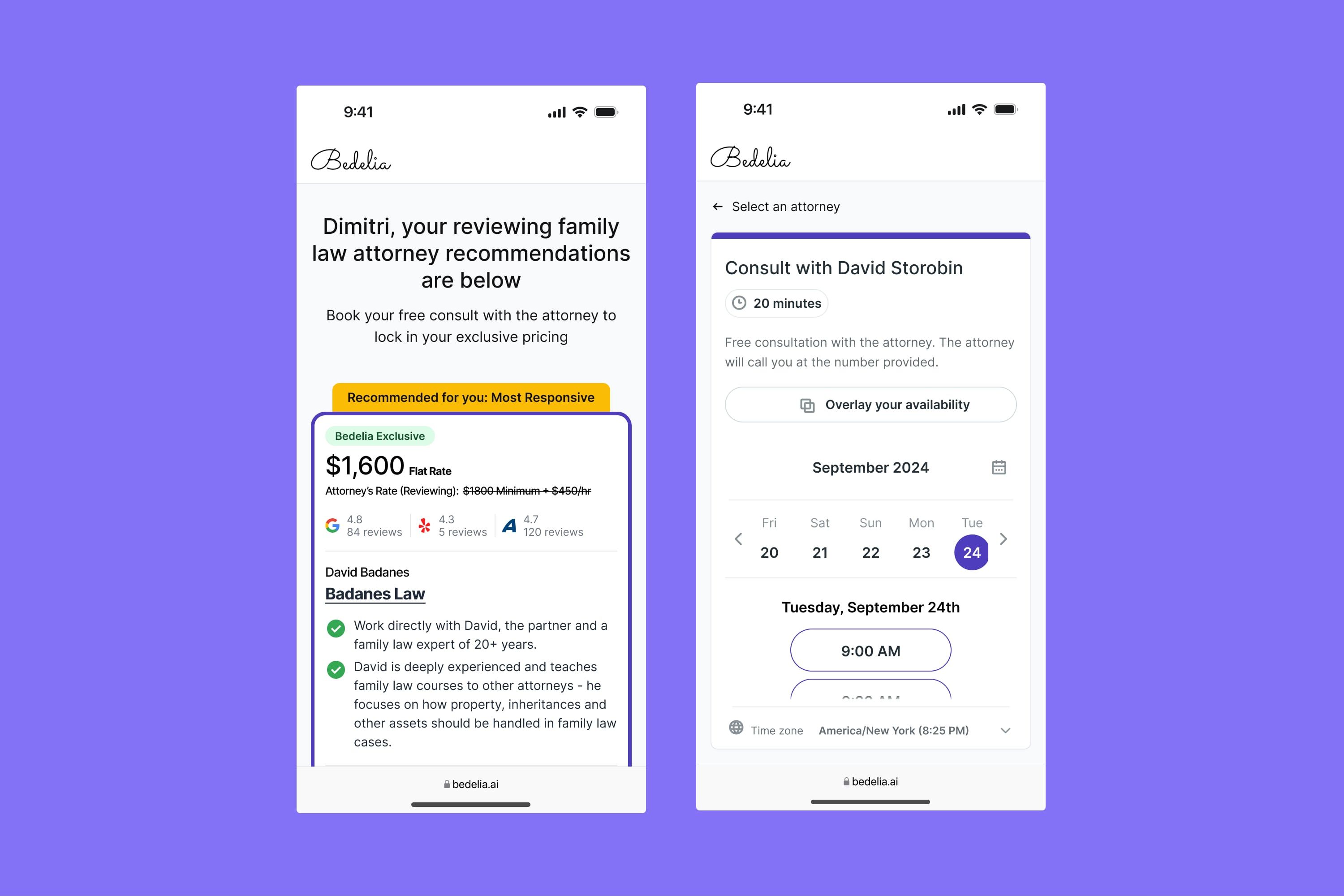
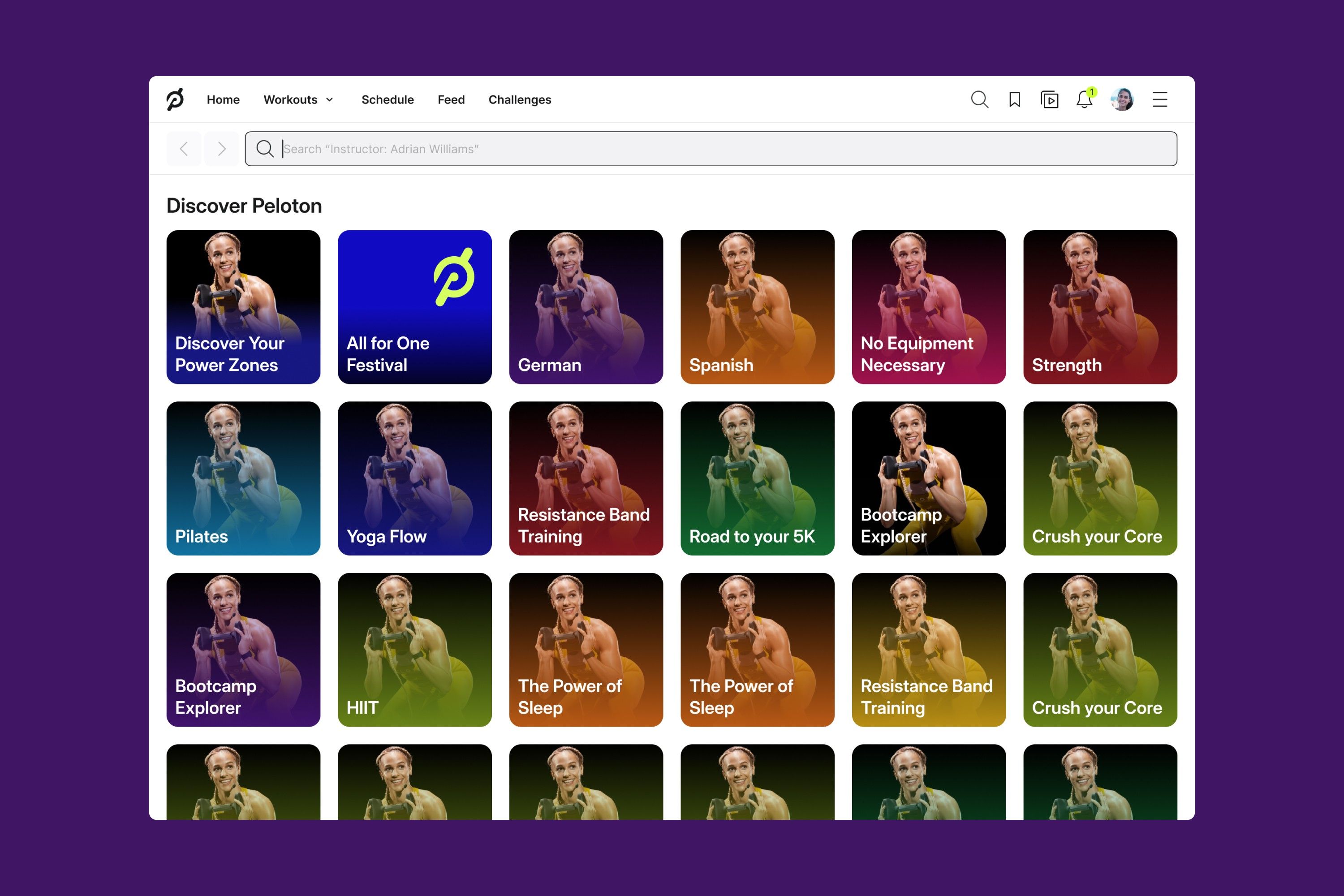
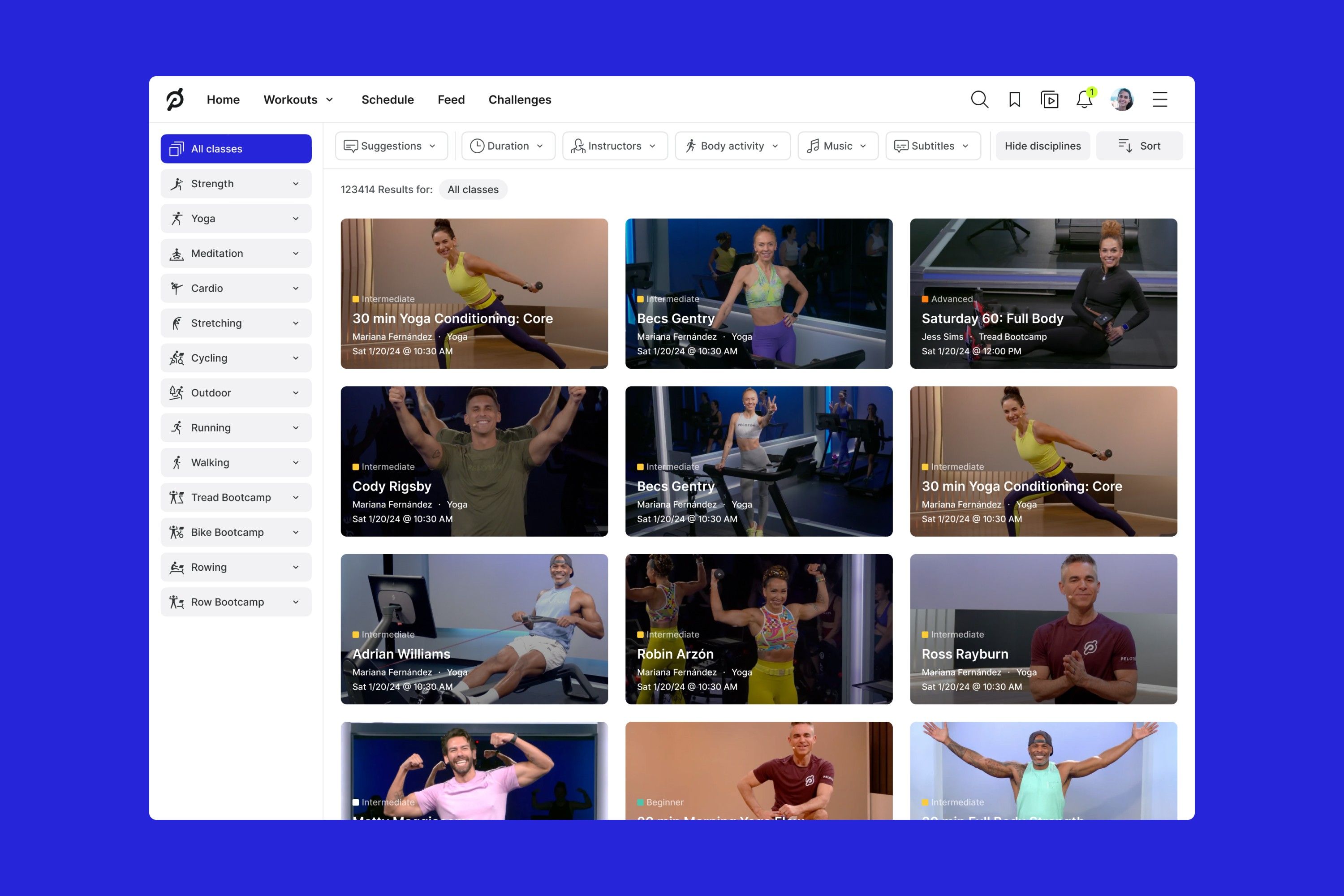
I've already seen where design systems break at companies like BNY Mellon, Robinhood, Peloton, Bolt, Headway, DraftKings and more, working with exceptional teams doing incredible things. If you're facing a problem I've already encountered, your team doesn't have to learn it the slow way. I come in, help solve the problem bugging your team the most, and leave. A new hire may be the long-term solution, but the hope is that I can unblock your team sooner rather than later.
How long does it take?+−
Three months minimum, and most engagements run three to six. The biggest factor is how much engineering time your team can give the work.
We have no spare capacity. Will this slow our roadmap?+−
No. The changes go into work already on your roadmap, in pieces small enough to fit a normal sprint. If checkout is being refactored next quarter, its buttons and forms move to the new patterns as part of that refactor.
What happens to our Figma library?+−
It stays. I make code the source of truth and generate the Figma components from it, so the two stop drifting apart. I edit on a Figma branch and merge only after testing, so your main library is never at risk.
How do we show it was worth it?+−
We agree on a measure before the work starts, usually how long a common change takes today. If a button change takes three weeks now and an afternoon afterward, that's the number to show your finance team.
Can we start small?+−
Yes. Every proposal includes a small first option: one pattern, built across your product, so you see working output before you commit to more.
Are we ready for this?+−
Probably. You need two things: someone on your side who owns the work, and some engineering time to ship it. If either is missing, I'll tell you on the first call.
Is it just you?+−
Yes, I'm currently the only person doing the work. However, there are other unknown creatives with specialized expertise who may be worth bringing on for certain projects. You'll know ahead of time if I bring on another expert to assist.
How do you handle security and vendor onboarding?+−
I go through your vendor onboarding like any other supplier, with an MSA, an SOW and a procurement packet. If your policy keeps code on company machines, I work on one of yours.
Can we change foundations without breaking the live product?+−
Yes. I migrate one pattern at a time with versioning, so the old and new versions run side by side and nothing reaches customers until it passes your release process.
What do we keep when you leave?+−
Everything: the repos, tooling, documentation and Figma files. Anything I put together in my own repo gets transferred to your org.